 Click on the title of a post to view a full gallery of images.

Indian Pipe
It has been a long cold winter with a record cold February and even though it is still cool, spring has finally arrived. Skunk Cabbage has been blooming for nearly two weeks here in west Michigan and other early spring flowers are identifiable as the snow continues to recede. While in area of the Allegan State Game area a couple of days ago I had to bail on attempts to get into an area by Eli Lake to explore. One tow bill in recent weeks is enough. A fair percentage of the woods still had snow and the seasonal roads are mostly impassable in a 2 wheel drive vehicle. I ended up walking and exploring by the Swan Creek flooding which turned out to be an area worth stopping at. I will definitely be back several times in the spring and summer ahead to photograph Pyrola, Pipsissewa and other flowers as they bloom.

Pixie-cup Lichen
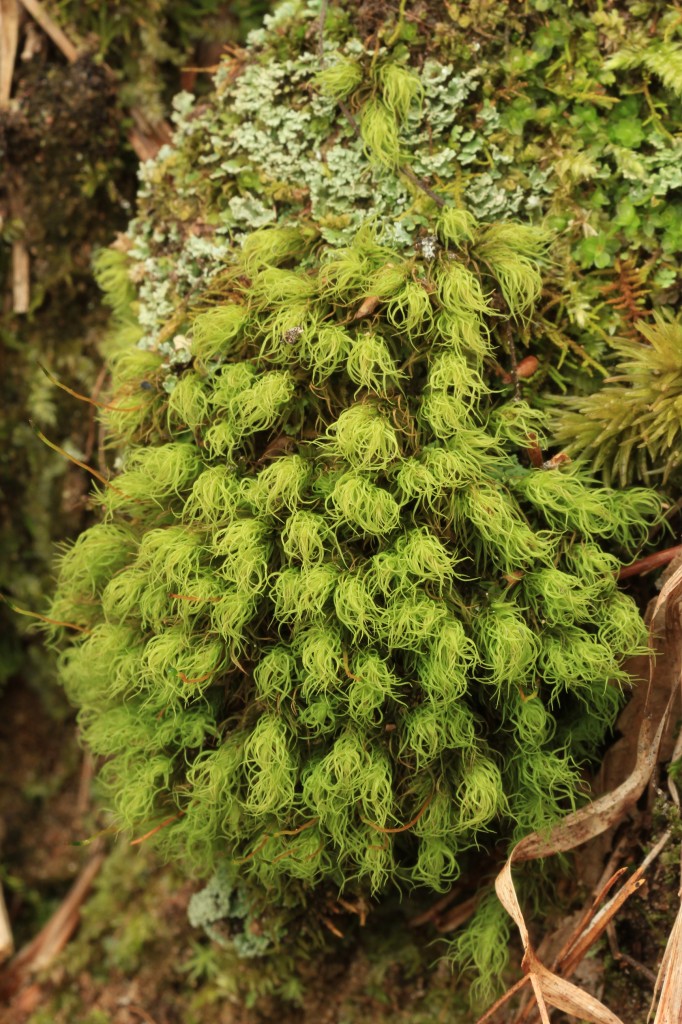
At this time in early spring there is much to be found and observed in the woods before many of the spring flowers bloom. Mosses, lichens, left over plant parts from the previous season and those that over winter as green plants can all be found. In the woods along the pond at Swan Creek I found many Hepaticas, Wintergreens, Partridge Berries, mosses, lichens, ground pines, fungus on fallen trees and the remains of last year’s Indian Pipes. On the water I saw Buffleheads, Goldeneye Ducks, geese and Trumpeter Swans. Although noisy when you are getting to close, it doesn’t take long to know why they are called Trumpeter Swans. Follow this link to here the Trumpeter Swans http://youtu.be/7hu5OF8OzAs. I have included a moss here without the identification asI have some ideas but no conclusive id. It does have an interesting appearance though.

Trumpeter Swan
Today I know spring is close at hand. While photographing Great Horned Owl chicks on the nest I also saw a Mourning Cloak Butterfly. Mourning Cloaks over winter as adults and are a sure sign of spring when they begin to awaken and fly around the woods.

As you look at the picture of the owls you can see a fuzzy chick looking out from the left side of the nest. This nest is a good illustration of how little effort these owls put into building a nest. It is basically on the side of a tree. Great Horned Owls will use other left over nests from crows or hawk as well as broken off trees. They generally lay eggs in February, but could be any time from late January through mid April.
So even though the woods look barren and void of anything worthy of exploring from a distance, get out and see what you can find of interest when up close. You can also recon for spring and summer areas to visit.

- Hepatica Leaf


- Indian Pipe

- Moss

- Pixie-cup Lichen
- Trumpeter Swan
