 Click on the title of a post to view a full gallery of images.
It is official; today most of the area was listed as being in a “moderate drought”. As I am sure anyone living in west Michigan already knows by now, we are several inches below normal for rain fall since May of this year. To make matters worse, we have just come through a heat wave of record breaking temperatures of 100 degrees plus for several days in a row. I thought maybe my digital thermometer was wrong on the 6th with a high reading of 108, but when I saw the high for the day in Middleville at 107, I decided it must be close. At my home during the first week of July, we had five days of 99 degrees plus and four of those were in the triple digits. Now this week is cooler, in the 90’s and each day the forecast seems to be getting higher.
This extreme heat combined with the lack of moisture is taking a toll on plants. Some landscape experts say we may not know the full extent of the drought impact until the coming spring. Perennials and annuals in the landscape are drying up and turning brown, as are lawns that do not have a good sprinkler system to deliver a regular and sufficient water supply. The good news is that Kentucky bluegrass, the main grass used in our lawns, can go dormant and survive for at least six to eight weeks with not water. The bad news is we are at that critical point, and without any significant rain insight we may be replanting lawns in the spring.

Scorched American Chestnut
Trees are also suffering. Some are turning color and dropping leaves as if it were fall, a sure sign of heat stress. The deeper rooted, larger trees seem to be doing better but for how long? Some tree and shrub leaves are turning brown and drying, this is from heat scorch. Scorched leaves are the result of combined moisture deficiency and excessive heat, such as we have been having. Even my American chestnut trees have scorched leaves.
Crops both in the area and throughout the Midwest are in danger of not producing corn or soy beans this year. I have seen fields of both that are so far behind and drying up, that they likely will not be harvested. This is the worst I can remember seeing in my life time.
This weather is also having an effect on wildlife, as food and water sources wither away. Insects such as butterfly larvae may not have plants to feed on and birds will then have fewer insects. The early hot weather in March followed by freezing temperature in April also affected food supplies for wildlife as there will not be as many berries this year. Some such as raspberries did set fruit but with these drought conditions have dried on the plants.
There have been many reports this past weekend of dead fish in rivers and lakes around the area. They are mostly pike and this is due to the extreme heat last week, as the water temperatures climbed.
Animal, such as rabbits and others that feed on plants are changing their diets to include whatever plants they can find that have not dried up. The rabbits in my yard are eating Nodding Onion, not on their normal menu of choice. This is a good time to keep bird baths full and even put out some water for wildlife around your home. The fountain known as “the Lady” in our yard is a popular spot t these days, with its fresh cool running water.

Hoary Vervain
Many native plant species will make it through these conditions just fine. Many early blooming woodland plants go dormant for the summer anyways. Many of the plants of the dry prairies have deep roots and or wooly leaf surfaces, making them drought tolerant. Hoary Vervaine for example, has woolly or “hoary” leaves that reduce the transpiration of moisture and are more heat tolerant. Many of these species are blooming and looking normal at this time. Some however, that grow in dry conditions are beginning to wither away.
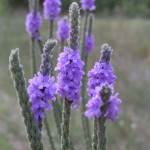
- Hoary Vervain


- Scorched American Chestnut
